






The International Baccalaureate Diploma Programme: A Comprehensive Guide
Introduction
The International Baccalaureate (IB) Diploma Programme is a rigorous pre-university course recognised worldwide. It is designed for students aged 16 to 19 and aims to develop students with excellent breadth and depth of knowledge who flourish physically, intellectually, emotionally, and ethically. Whether you're a student considering enrolling in the IB, a parent looking to understand the benefits and challenges, or an educator exploring new academic programs, this blog aims to answer your most pressing questions about the IB Diploma Programme.
What is the IB Diploma Programme?
The IB Diploma Programme (DP) was established in 1968 and has since gained a reputation for its challenging curriculum and high academic standards. The program is designed to prepare students for success at university and beyond, encouraging them to be knowledgeable, inquiring, and compassionate. The IBDP is unique in its approach, combining academic rigour with personal growth through its core components and subject groups.
Core Components
The IBDP includes three core components that aim to broaden students' educational experience and challenge them to apply their knowledge and skills:
- Theory of Knowledge (TOK): TOK explores the nature of knowledge, encouraging students to reflect on how we know what we claim to know. This course promotes critical thinking and the understanding of knowledge across various disciplines.
- Extended Essay (EE): The Extended Essay is a 4,000-word research paper on a topic of the student’s choice. This component promotes independent research and academic writing skills, offering students a taste of university-level research.
- Creativity, Activity, Service (CAS): CAS requires students to engage in various activities outside the classroom, including creative pursuits, physical activities, and community service. This component encourages students to develop personally and socially.
International Baccalaureate(IB) Subject Groups
Students must choose one subject from each of the following six groups, ensuring a well-rounded education:
- Studies in Language and Literature: This group includes courses in the student’s first language, focusing on literary analysis and critical thinking.
- Language Acquisition: Students learn a second language, promoting cultural awareness and communication skills.
- Individuals and Societies: Courses in this group include history, geography, economics, psychology, and more, helping students understand the complexities of human society.
- Sciences: This group includes subjects like biology, chemistry, physics, and environmental systems, fostering scientific inquiry and understanding.
- Mathematics: Students can choose from various levels of math courses, developing their analytical and problem-solving skills.
- The Arts: Options include visual arts, music, theatre, and film, encouraging creativity and expression.
Why Choose the IB Diploma Programme?
- Academic Rigour
The IBDP is known for its challenging curriculum that prepares students for the demands of higher education. Universities worldwide recognise the IB Diploma, often granting college credit for high scores on IB exams. The program’s emphasis on critical thinking, research skills, and interdisciplinary learning equips students with the tools needed for academic success.
- Personal Growth
Beyond academics, the IBDP fosters personal development through its core components. TOK encourages introspection and ethical reasoning, while CAS promotes a balanced lifestyle and community engagement. The Extended Essay helps students develop time management and independent research skills, which are crucial for university and beyond.
- Global Perspective
The IBDP emphasises international-mindedness, preparing students to thrive in a globalised world. Language acquisition courses and a diverse curriculum foster cultural awareness and appreciation. Many IB schools also offer opportunities for international exchanges and collaborations, further broadening students’ horizons.
- Holistic Education
The IBDP’s well-rounded curriculum ensures that students receive a comprehensive education. Students develop a broad base of knowledge and skills by studying subjects across different disciplines. The program’s focus on creativity, critical thinking, and service also helps students become well-rounded individuals.
What are the Challenges of the IB Diploma Programme?
- Workload
One of the IBDP's most significant challenges is its demanding workload. Students must balance coursework, internal assessments, and final exam preparation. The core components (TOK, EE, and CAS) also require significant time and effort. Effective time management and organisational skills are crucial for success in the program.
- Stress and Pressure
The rigorous nature of the IBDP can lead to high levels of stress and pressure. Students must often perform well academically while fulfilling their CAS requirements and completing their Extended Essay. Students must find healthy ways to manage stress and seek support from teachers, peers, and family when needed.
- Balancing Academic and Extracurricular Activities
The IBDP encourages students to participate in extracurricular activities through CAS. However, balancing these activities with the program's academic demands can be challenging. Students must plan their schedules carefully and prioritise their commitments to avoid becoming overwhelmed.
How do you succeed in the IB Diploma Programme?
- Time Management
Effective time management is crucial for success in the IBDP. Students should create a study schedule that allocates time for coursework, internal assessments, exam preparation, and CAS activities. Breaking tasks into smaller, manageable steps can help students stay organised and on track.
- Seek Support
Students should not hesitate to seek support from teachers, peers, and family. Teachers can provide valuable guidance on coursework and assessments, while peers can offer support and motivation. Family members can also be crucial in providing emotional support and helping students manage stress.
- Stay Organised
Staying organised is key to managing the IBDP's workload. Students should track deadlines, create to-do lists, and use organizational tools such as planners and apps. Organising study materials and notes can also make reviewing and preparing for exams easier.
- Take Care of Yourself
Maintaining a healthy lifestyle is essential for managing the demands of the IBDP. Students should ensure they get enough sleep, eat a balanced diet, and engage in regular physical activity. Taking breaks and practising relaxation techniques can also help reduce stress and improve overall well-being.
- Engage with the Core Components
The core components of the IBDP (TOK, EE, and CAS) are integral to the program and should not be neglected. Students should approach these components with curiosity and dedication, as they provide valuable opportunities for personal and academic growth.
Conclusion
The IBDP is a comprehensive and challenging programme that prepares students for academic success. It offers a well-rounded education through its rigorous curriculum and core components. Despite significant challenges, those who manage their time, seek support, and engage with the curriculum can gain significantly from this diploma.
Frequently Asked Questions (FAQs)
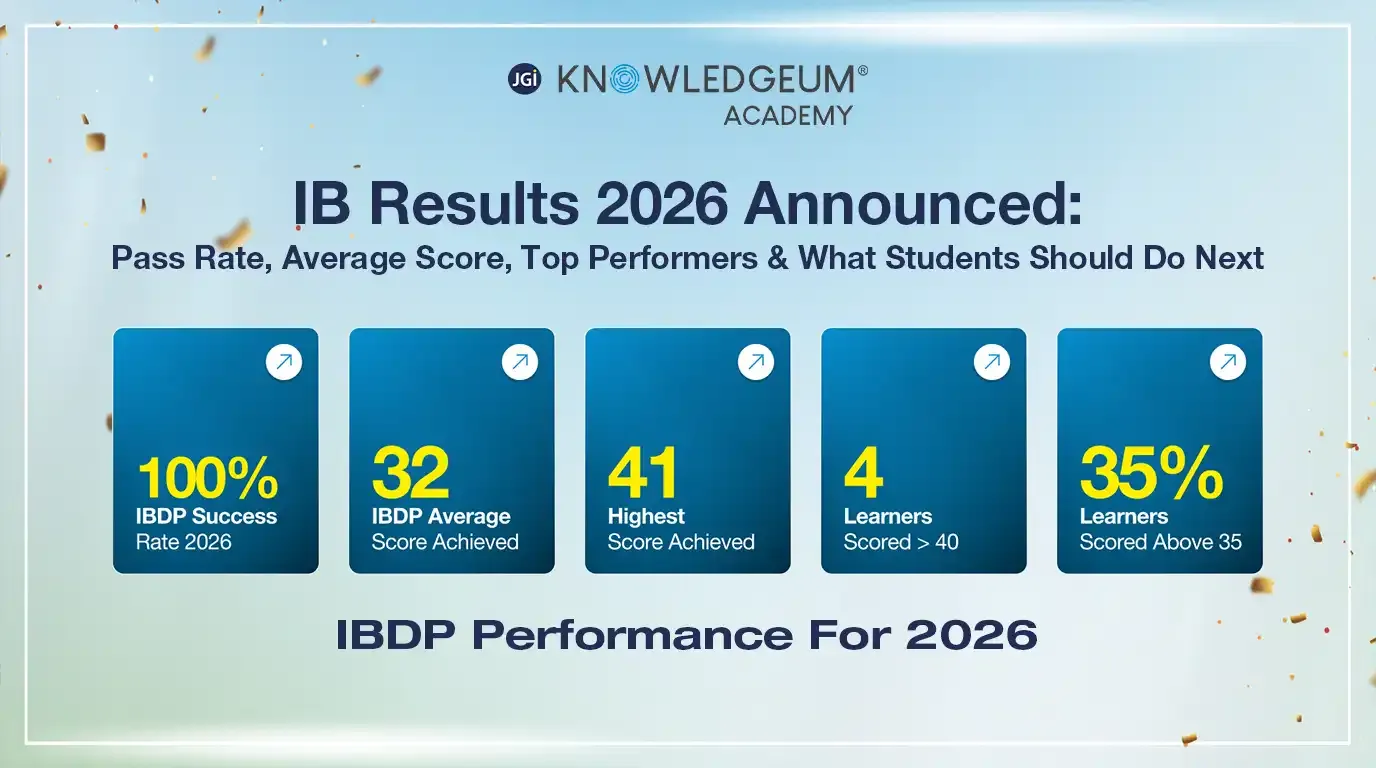
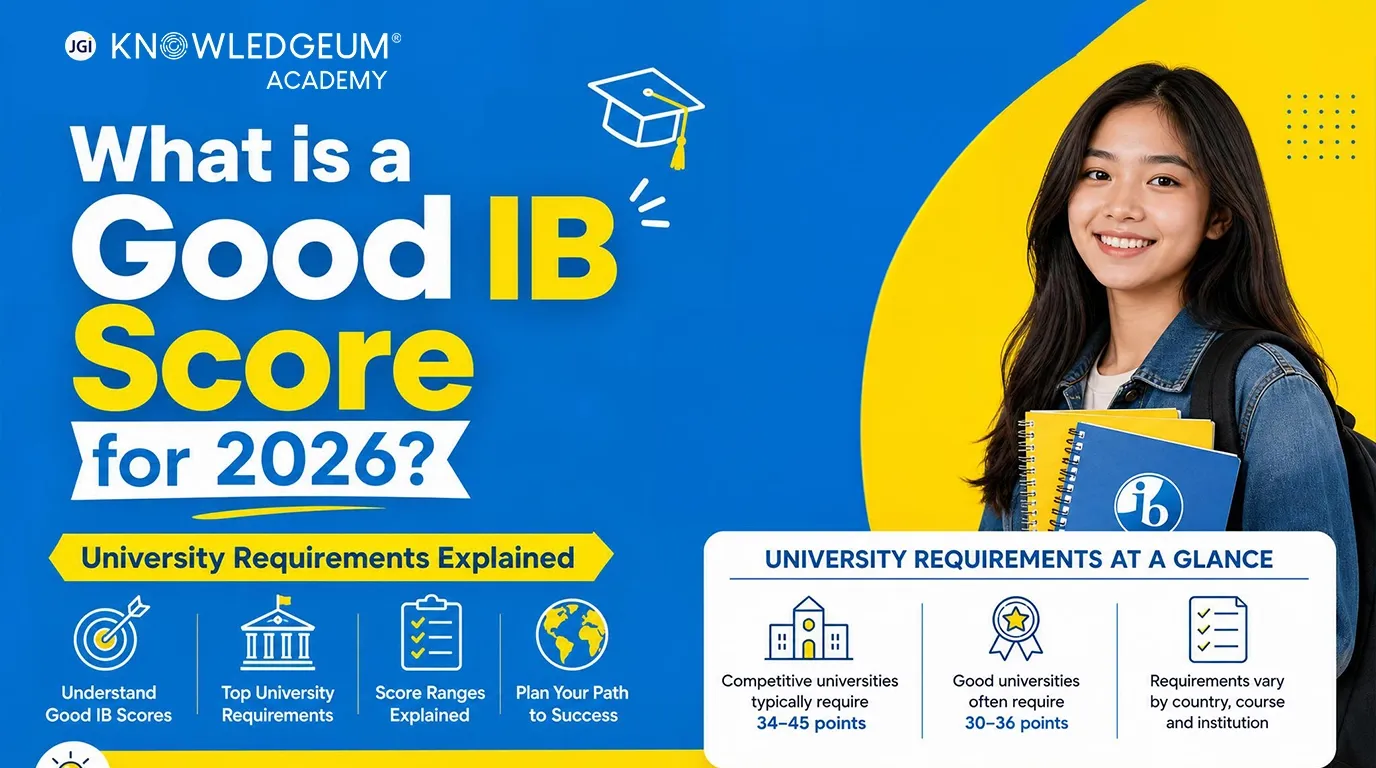
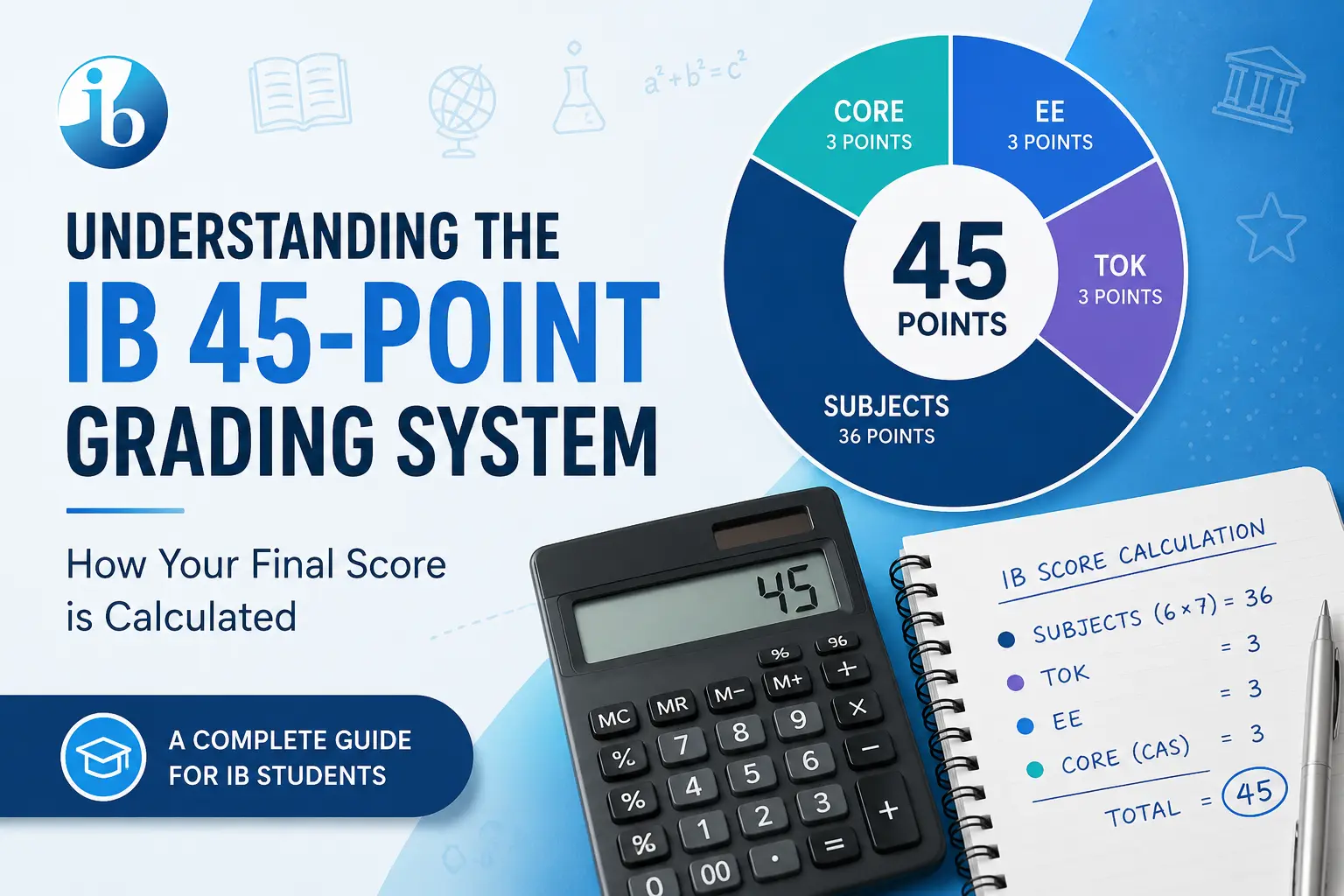
The IB Diploma is assessed through a combination of internal and external assessments. Internal assessments include coursework, oral presentations, investigations, and practical work marked by teachers and moderated by IB examiners. External assessments include final examinations graded by IB examiners. Students can earn a maximum of 45 points, with at least 24 points generally required to be awarded the IB Diploma.
IB coordinators support students throughout the Diploma Programme by guiding subject selection, overseeing internal assessments, coordinating the core components, and ensuring compliance with IB regulations. They also act as the primary link between the school and the International Baccalaureate.
Yes. Students select one subject from each of the six IB subject groups to create a balanced curriculum. They also choose which subjects to study at Higher Level (HL) and Standard Level (SL) based on their interests, strengths, and university goals.
Universities around the world highly value the IB Diploma for its academic rigour, international recognition, and emphasis on critical thinking, research, and independent learning. Many institutions also offer advanced standing, university credit, or course exemptions for strong IB results.
Yes. The IB Diploma is widely regarded as a challenging but highly rewarding qualification. It develops academic excellence, personal growth, research skills, global awareness, and university readiness, making it valuable for students pursuing higher education in India and abroad.






















0 Comments