







10 Essential Road Safety Rules Every Child Should Know
Table of Content
- Know the traffic signals
- Know pedestrian rules
- Seatbelts are important
- Know where you are going
- Know the traffic signs
- Understand the Lines dividing the lanes
- Maintain lane discipline
- Know the different light adjustments on your vehicle
- You have rights, know them
- Keep your distance
Road safety is a critical aspect of a child’s education. Children are among the most vulnerable road users, and educating them on road safety rules is essential in preventing accidents and ensuring their safety. This article will cover the 10 most essential road safety rules that every child should know, providing practical tips and advice to keep them safe on the roads.
1. Understanding Traffic Signals
Meaning of Common Traffic Lights
Traffic signals are a universal language that controls traffic flow. Teaching children the meaning of red, yellow, and green lights is fundamental. Red means stop, yellow indicates caution, and green means it's safe to go. Understanding these signals is the first step in road safety.
2. The Importance of Crosswalks
Why Use a Crosswalk?
Crosswalks are designated safe zones for pedestrians to cross the street. Children should understand that crosswalks are the safest places to cross, as drivers are more likely to stop.
How to Safely Cross at a Crosswalk
Before crossing, children should look left, right, and left again, ensuring the road is clear. Even at a crosswalk, they should remain alert and make eye contact with drivers.
Pedestrian Signals: What Kids Should Know
Pedestrian signals are specifically designed to help people cross streets safely. Teaching children to wait for the "walk" signal and to never cross on a "don’t walk" signal, even if the road appears clear, is crucial for their safety.
3.Walking on Sidewalks
Staying on the Sidewalk: A Basic Rule
Sidewalks are meant for pedestrians and provide a safe path away from vehicles. Children should be taught to always stay on the sidewalk and avoid walking on the road.
What to Do if There’s No Sidewalk
If there’s no sidewalk, children should walk facing traffic, as far away from vehicles as possible. This ensures that they can see oncoming cars and react if necessary.
4. Know pedestrian rules

Pedestrians also have rules that they must follow for their safety on the road. Kolkata traffic police have shared some recommendations that apply everywhere -
- Stop at the curb before you enter a street
- Look in left-right-left directions before crossing the road
- In the absence of a sidewalk, walk in the direction where you face the traffic
- Always try to cross the roads at a zebra crossing
- Before crossing the road, turn off your headphones
- Never run while crossing the road
- Don’t jaywalk
5. Seatbelts are important
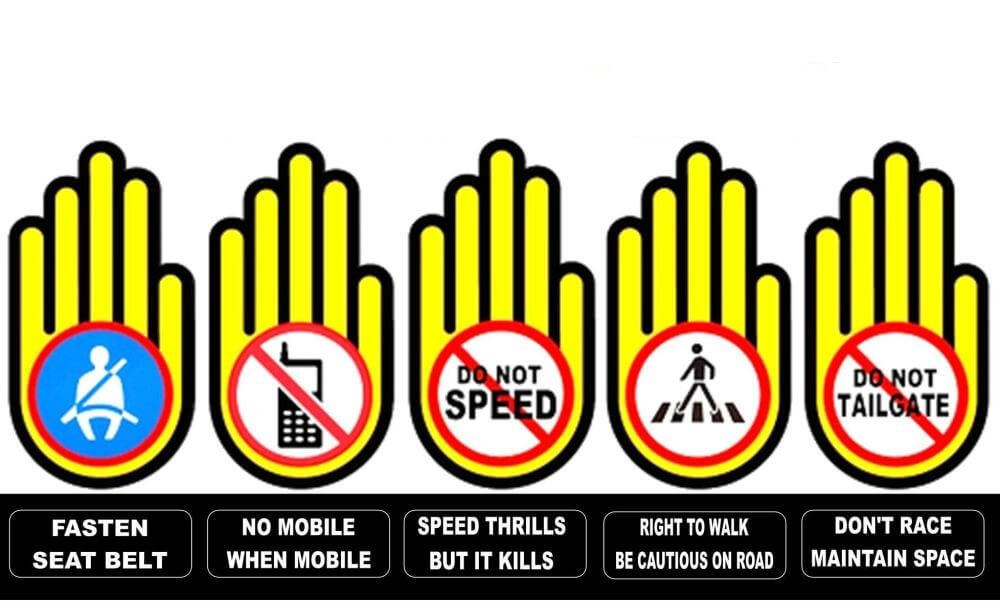
Thankfully all the new car models keep beeping till all passengers of the car wear the seatbelts as soon as the car starts. However, if you don’t have that feature then be mindful that seatbelts are the most basic, very-effective, life-saving feature of the car. In most cars that have airbags, unless the seatbelt is buckled, the airbags won’t deploy on impact.
6. Know where you are going
As a driver, if you are in a new place and you are unsure about where you have to go, then put the hazard lights, slow down, and move to the left lane, giving way for the traffic to move. If you are referring to the online maps, then stop your car on the side of the road and check the map.
As a pedestrian, if you are checking the map on the phone then stop at the sidewalk and if you have to cross, then cross the road and then check the map. If you are lost and distracted, then stop, look around, and then proceed.
7. Know the traffic signs
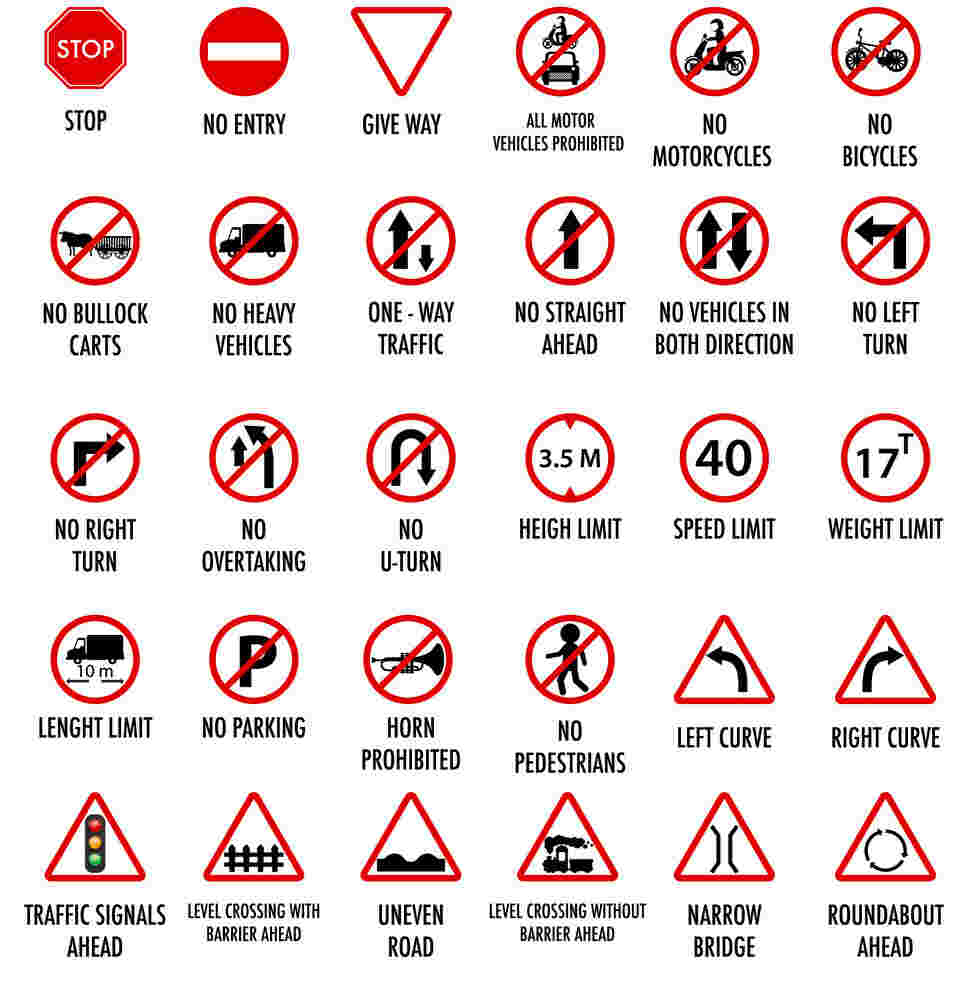
You must learn traffic signs not only to pass the driving license exams but also to drive responsibly and safely. For instance, the hairpin bend sign on a ghat section is critical in alerting you that there is a steep curve on the road.
8. Understand the Lines dividing the lanes
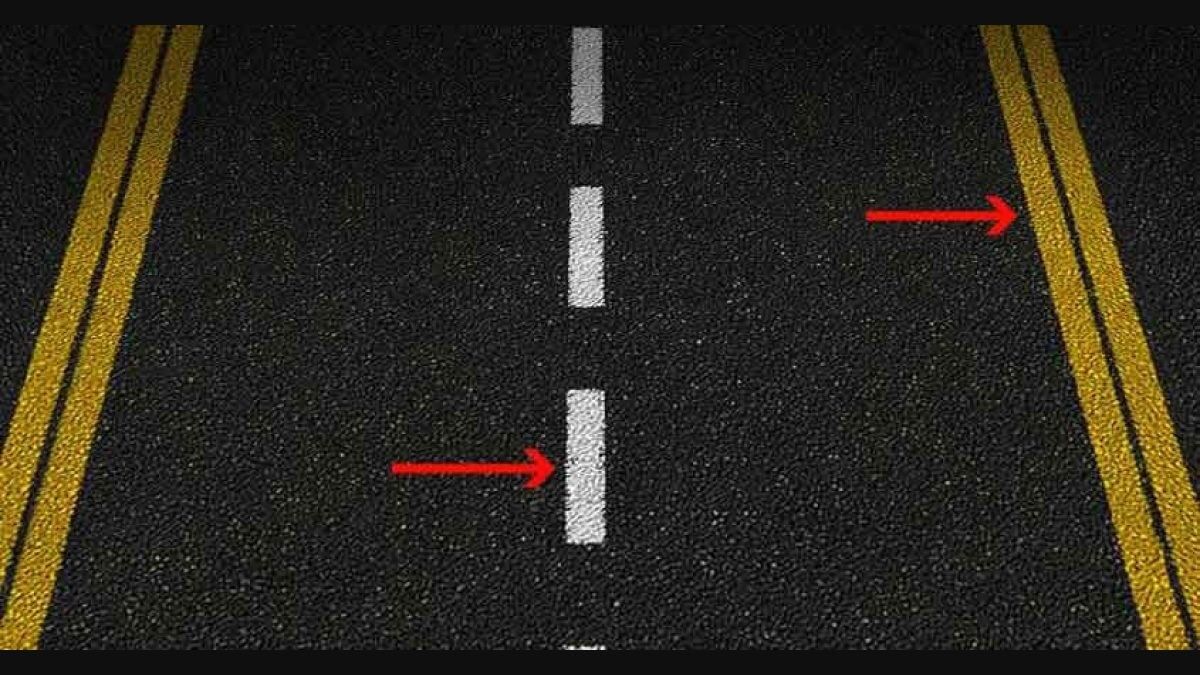
White lines divide traffic heading in the same direction. They are classified into -
- Single broken - it indicates that it is safe to cross across the line to switch lanes
- Single solid line - never jump these lines unless necessary
- Double solid - this signifies a barrier that must not be crossed under any circumstance.
In some places where the visibility is low, the lines are painted yellow. These have the same rules as the white line for -
- Single solid yellow line
- Double solid yellow line
- Broken yellow line
9. Maintain lane discipline
Stay within the designated lane while driving. If you want to switch lanes then first, use the indicator, then check the mirrors and then proceed to switch lanes cautiously. Your rearview mirror will have blind spots, so check all three mirrors before switching lanes.
10. Know the different light adjustments on your vehicle
There are different beams in the car and there is a time to use them. You can use the -
- Low beam - it is the most non-intrusive as the excessive glare does not dazzle oncoming drivers. It is used on well-lit streets, during rain or sleet.
- Full beam - it must only be used when the road is very dark and no other cars are coming from the opposite direction.
11. You have rights, know them
Be aware of the driver’s and pedestrian’s rights, especially if you are driving or travelling in a new city, highway or region.
Walking on Sidewalks
12 .Staying on the Sidewalk: A Basic Rule
Sidewalks are meant for pedestrians and provide a safe path away from vehicles. Children should be taught to always stay on the sidewalk and avoid walking on the road.
What to Do if There’s No Sidewalk
If there’s no sidewalk, children should walk facing traffic, as far away from vehicles as possible. This ensures that they can see oncoming cars and react if necessary.
13. Awareness of Surroundings
Avoiding Distractions While Walking
Distractions such as smartphones or loud music can divert attention away from the road. Children should be encouraged to stay alert and aware of their surroundings while walking.
Importance of Looking Both Ways
Looking both ways before crossing any street is a simple yet vital habit. This ensures that children are aware of any vehicles approaching from either direction.
Using Pedestrian Bridges and Tunnels
When to Use a Bridge or Tunnel
Pedestrian bridges and tunnels are designed to safely navigate across busy roads. Children should be taught to use these whenever available to avoid crossing dangerous intersections.
Safety Tips for Using Pedestrian Overpasses
While using a pedestrian bridge or tunnel, children should stay close to adults, avoid running, and be mindful of their surroundings.
Bicycle Safety
Always Wear a Helmet
Wearing a helmet is non-negotiable when riding a bicycle. A helmet protects the head in case of falls or collisions, reducing the risk of serious injury.
Follow the Same Rules as Cars
Children should be taught that bicycles are considered vehicles on the road. They must follow the same traffic rules as cars, including stopping at red lights and yielding to pedestrians.
8. Understanding Vehicle Blind Spots
What Are Blind Spots?
Blind spots are areas around a vehicle where the driver’s view is obstructed. Children should understand that even if they can see a car, the driver might not be able to see them.
Staying Clear of Large Vehicles
Large vehicles like trucks and buses have bigger blind spots. Children should be taught to stay well clear of these vehicles, especially when they are turning or reversing.
9. Safe Behavior Around School Buses
Waiting for the Bus
Children should wait for the bus at a safe distance from the road, staying at least three large steps away from the curb until the bus arrives.
Getting On and Off the Bus Safely
When getting on or off the bus, children should use the handrail and be aware of passing vehicles. They should only cross the street after the bus driver signals that it’s safe.
10. Role of Adults in Road Safety
Parents and Guardians as Role Models
Children learn by example. Parents and guardians should practice safe road behaviors themselves, such as using crosswalks, wearing seat belts, and following traffic signals.
Educating Children About Road Safety
Continuous education on road safety at home, school, and within the community is essential. Regular discussions and reminders help reinforce the importance of these rules.
11. What to Do in Emergencies
Knowing Emergency Contact Numbers
Children should memorize important emergency contact numbers, including those for parents, guardians, and emergency services.
Steps to Take if Lost or in Danger
If a child finds themselves lost or in danger, they should know to find a safe place, such as a nearby store or a trusted adult, and call for help immediately.
12. Importance of Reflective Clothing
Why Visibility Matters
Visibility is crucial, especially in low-light conditions. Reflective clothing makes children more visible to drivers, reducing the risk of accidents.
Best Clothing for Different Weather Conditions
Children should wear bright, reflective clothing in all weather conditions. In rain or fog, additional reflective gear such as vests or bands can improve visibility.
13. Stranger Danger on the Road
How to Recognize Unsafe Situations
Children should be taught to be cautious of strangers, especially those offering rides or asking for help. They should keep a safe distance and never go with someone they don’t know.
Who to Approach for Help
In case of an emergency or if they feel unsafe, children should know to approach a trusted adult, such as a police officer or a security guard, for help.
14. Road Safety Games and Activities
Learning Through Play
Interactive games and activities are an effective way to teach children about road safety. Engaging them in role-playing scenarios can reinforce the rules in a fun and memorable way.
Engaging Road Safety Resources for Kids
There are many online resources, apps, and educational programs designed to teach children about road safety. These can be used both at home and in schools.
15. Summary and Conclusion
Recap of Essential Rules
Road safety is a lifelong skill that every child should learn. The essential rules include understanding traffic signals, using crosswalks, staying on sidewalks, wearing helmets, and staying aware of surroundings.
Encouraging Continuous Learning
Parents, schools, and communities should work together to continually educate children on road safety. Regular practice and reinforcement of these rules will help ensure that children stay safe on the roads.
16. Expert Insights
Quotes from Road Safety Experts
“Children are our most vulnerable road users. Educating them early on about road safety can save lives and prevent injuries.” - [Expert Name], Road Safety Advocate.
Case Studies of Road Safety Initiatives
Many schools and communities have successfully implemented road safety programs. For example, [Community Name] introduced a “Safe Walk to School” program, reducing child pedestrian accidents by 30% in just one year.
17. Future Outlook on Road Safety
Emerging Trends in Child Road Safety
With the advancement of technology, new trends in child road safety are emerging, such as smart crosswalks and AI-driven traffic signals designed to enhance pedestrian safety.
Technological Advances in Road Safety for Kids
Wearable technology, like GPS-enabled smartwatches, can provide real-time location tracking, adding an extra layer of safety for children on the road.
18. Practical Applications
How Schools Can Implement Road Safety Programs
Schools can play a pivotal role by incorporating road safety into their curriculum. Regular workshops, safety drills, and interactive lessons can equip children with the knowledge they need.
Community Involvement in Promoting Road Safety
Communities can contribute by organizing road safety awareness campaigns, creating safe walking paths, and working with local authorities to improve infrastructure.
19. Keep your distance
As a pedestrian, stay to the side as much as you can. Drivers must maintain at least 5 5-foot distance from the vehicle in front of them.
Adhering to road safety rules is every citizen’s responsibility. The onus of ensuring our roads are safe lies with all of us.
Expert Answers and Tips
Experts recommend regular reinforcement of road safety rules through practical demonstrations and discussions. Engaging children in the learning process ensures they internalize these crucial life skills.
Frequently Asked Questions (FAQs):









































0 Comments