







Why Angles Matter: Real-Life Examples and Geometry Hacks

Table of Contents
- Introduction to Angles
- Definition of an Angle
- Parts of an Angle
- Types of Angles
- Measuring Angles
- Special Angle Pairs
Different Types of Angles and Names
There are 10 Different Type of Angles:
- Acute Angle: Measures less than 90°.
- Right Angle: Measures exactly 90°.
- Obtuse Angle: Measures more than 90° but less than 180°.
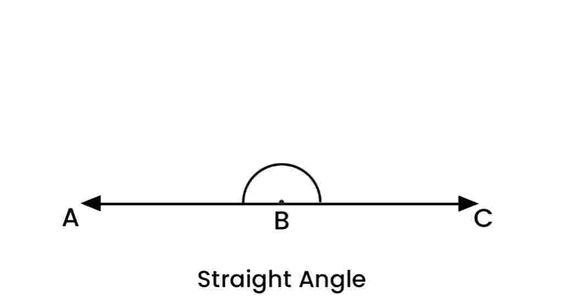
- Straight Angle: Measures exactly 180°.
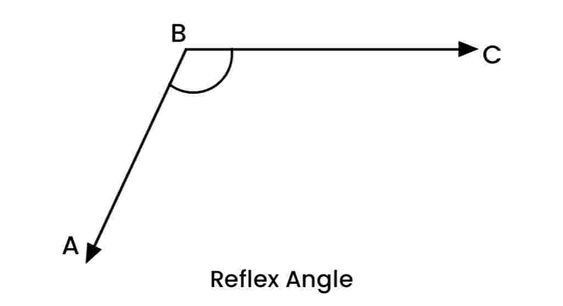
- Reflex Angle: Measures more than 180° but less than 360°.
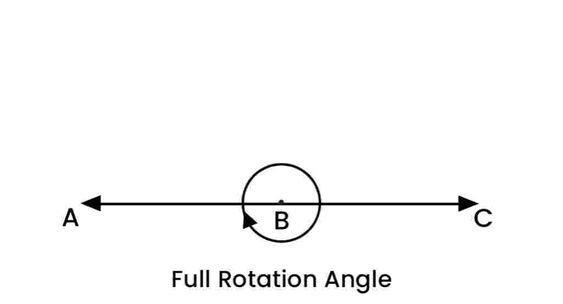
- Full Rotation (Complete Angle): Measures exactly 360°.
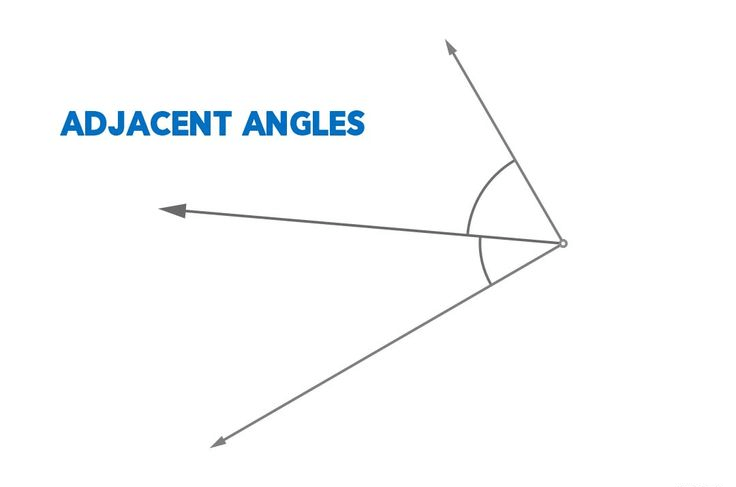
- Adjacent Angles: Two angles that share a common side and vertex but do not overlap.
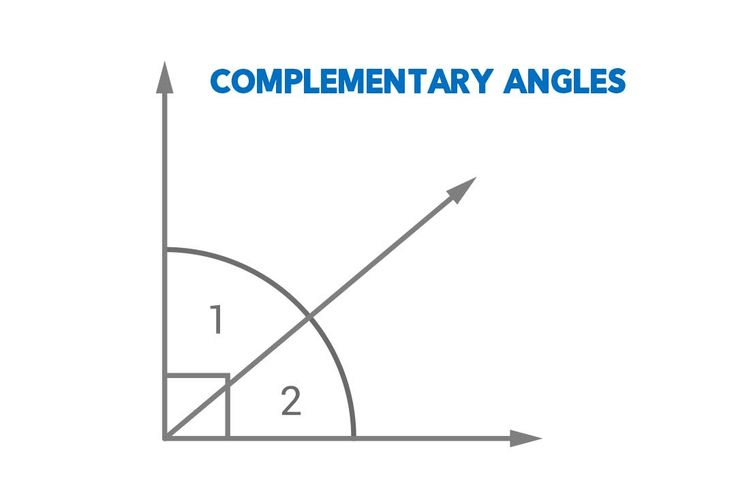
- Complementary Angles: Two angles whose sum is 90°.
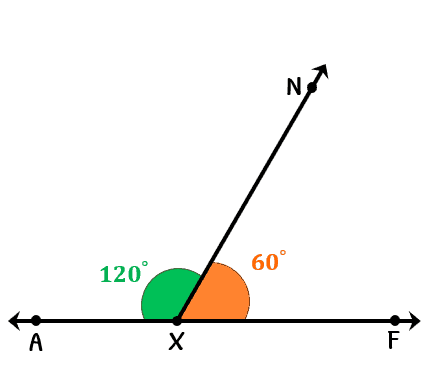
- Supplementary Angles: Two angles whose sum is 180°.
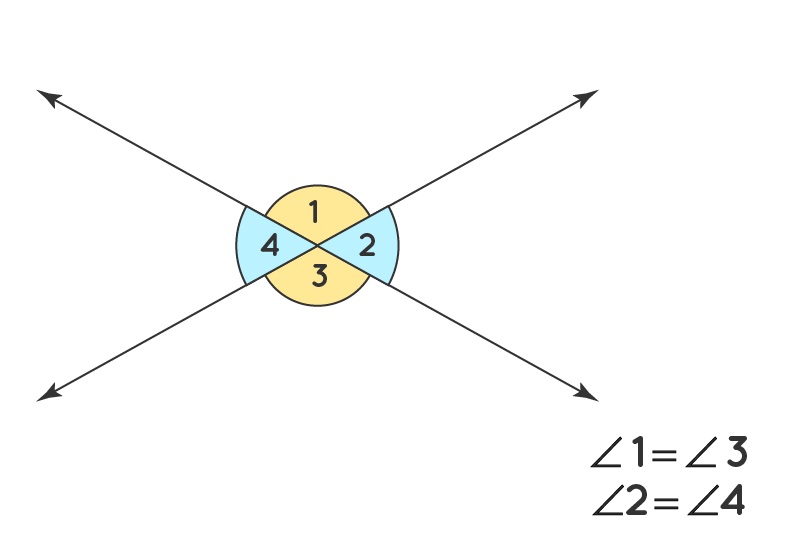
- Vertically Opposite Angles: Angles opposite each other when two lines cross, always equal.
What are Angles?
Angles are geometric shapes formed by two rays meeting at a common endpoint. They is measured in degrees and represented by the symbol ∠. A protractor can be used to measure angles accurate and easily.
What is an angles in geometry?
An angles are formed by two rays with a common endpoint called the vertex, and it measures the amount of turn between the two rays.
About Angles
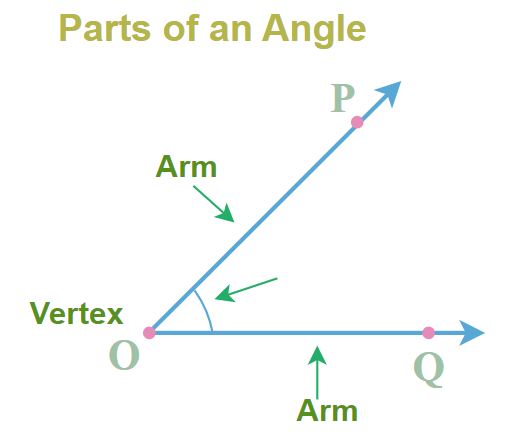
An angle is formed when two rays (or line segments) share a common endpoint. This common endpoint is called the angle's vertex, and the two rays are referred to as the sides or arms of the angle. The amount of turn between the two rays around the vertex measures the angle.
Real-Life Examples of Angles
- Clock: The hands of a clock create various angles throughout the day.
- Scissors: The blades form an angle to cut objects.
- Stairs: The incline of stairs forms an angle with the ground.
- Roads: Intersecting streets create right, acute, or obtuse angles.
- Open Book: The pages and spine form an angle when opened.
These examples show how angles are present in everyday objects and situations.
Example of a Straight Angle
A straight angle is exactly 180 degrees. A common example is:
- A flat line: Any straight line forms a 180-degree angle.
This angle appears in everyday objects like the horizon or when a door is fully open, lying flat against the wall.
Vertical Angles in Real Life
Vertical angles are formed when two lines intersect, creating pairs of opposite angles that are equal. Here are real-life examples:
- Crossroads: The intersecting streets at a crossroad form vertical angles.
- Scissors: When open, the intersecting blades create vertical angles.
- Railroad Tracks: The intersection of two train tracks forms vertical angles at the crossing point.
These examples show how vertical angles are commonly found in everyday structures and objects.
Reflex Angle Examples in Real Life
A reflex angle is greater than 180 degrees but less than 360 degrees. Here are real-life examples:
- Ferris Wheel: The angle formed by a cabin and the center when the wheel rotates more than halfway around is a reflex angle.
- Clock: When the hands of a clock show times like 10:10, the larger angle between them is a reflex angle.
- Open Door: If a door is open more than halfway but not fully, it forms a reflex angle with the frame.
These examples highlight where reflex angles appear in daily life.
Parts of an Angles
Understanding the parts of an angle is essential for identifying and working with angles in various mathematical and practical contexts. The main parts of an angle include:
- Vertex: The common endpoint where the two rays meet.
- Arms (or Sides): The two rays that form the angle.
- Interior: The region between the two rays.
Different Types of Angles in Geometry
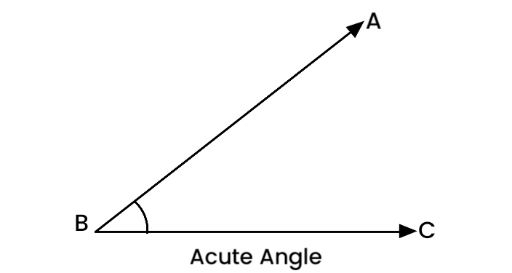
Acute Angle:
An acute angle measures greater than 0° and less than 90°. These angles are small and sharp. For example, a 30° angle is an acute angle.
Right Angle:
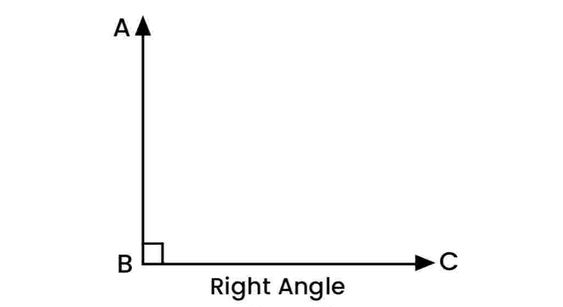
A right angle measures exactly 90°. A small square at the vertex often represents it. Right angles are commonly found in squares and rectangles.
Obtuse Angle:
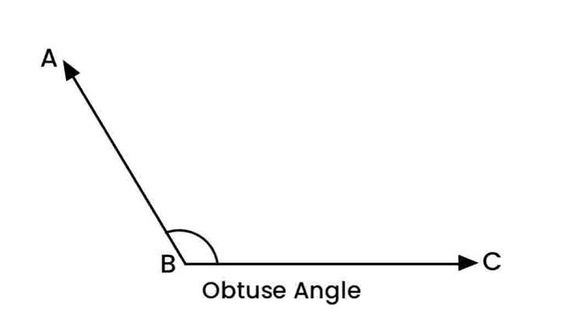
An obtuse angle measures greater than 90° but less than 180°. These angles are larger and more open than acute angles. For example, a 120° angle is an obtuse angle.
Straight Angle:
A straight angle measures exactly 180°. It forms a straight line, hence the name. Straight angles are essentially two right angles combined.
Reflex Angle:
A reflex angle measures greater than 180° but less than 360°. These angles are more than half a circle but less than a full circle. For example, a 270° angle is a reflex angle.
Full Rotation Angle:
A full rotation angle measures exactly 360°. It represents a complete rotation around a point.
Adjacent Angles:
Adjacent angles share a common vertex and a common arm but do not overlap. They lie next to each other.
Complementary Angles:
Two angles are complementary if the sum of their measures is 90°. For instance, if one angle measures 30°, the other must measure 60° to be complementary.
Supplementary Angles:
Two angles are supplementary if the sum of their measures is 180°. For example, if one angle measures 110°, the other must measure 70° to be supplementary.
Vertical Angles:
Vertical angles are formed when two lines intersect. They are opposite each other and are always equal in measure.
Measuring Angles:
Angles are typically measured using a protractor, which can measure angles in degrees. There are also mathematical methods for calculating angles using trigonometric functions. Understanding how to measure angles is crucial for solving geometry problems and various applications in science and engineering.
Special Angle Pairs:
Angles can also form special pairs, which include:
- Complementary Angles: Two angles whose measures add up to 90°.
- Supplementary Angles: Two angles whose measures add up to 180°.
- Adjacent Angles: Two angles that share a common side and vertex.
- Vertical Angles: Opposite angles formed by the intersection of two lines, always equal.
Examples of Angles in Real Life
- Clock Hands: The angle between the hour and minute hands.
- Road Intersections: The angle formed where roads meet.
- Architecture: Angles in building designs for stability and aesthetics.
- Sports: Angles in trajectory analysis for better performance.
Understanding angles is fundamental to mastering geometry. From their basic definition and parts to the various types and real-world examples, angles are a crucial element in both mathematics and everyday life. By grasping these concepts, students can better appreciate angles' practical applications and importance.









































0 Comments