







The Untold Stories Behind India’s National Parks

Quick Facts About National Parks in India
India's First National Park
Jim Corbett National Park, established in 1936, was the first national park in India and Asia.
Largest National Park in India
Hemis National Park in Ladakh covers an area of 4,400 square kilometers, making it the largest in India and Asia.
Smallest National Park
South Button Island National Park in the Andaman and Nicobar Islands is the smallest, covering just 5 square kilometers.
Home to the Bengal Tiger
India is home to more than 50% of the world’s Bengal tiger population, with many tigers residing in national parks like Ranthambore, Bandhavgarh, and Jim Corbett.
Newest National Park
Raimona National Park in Assam, established in 2021, is one of India's newest additions to its list of protected areas.
State with the Most National Parks
Madhya Pradesh and the Andaman & Nicobar Islands are tied for the most national parks, with nine each.
Asia’s Largest Snow Leopard Habitat
Hemis National Park is not only the largest national park in Asia but also home to the highest density of snow leopards in the world.
Unique Underwater Ecosystem
Wandoor Marine National Park in the Andaman Islands is known for its vibrant coral reefs and underwater life, making it a diver’s paradise.
Endangered One-Horned Rhino
Kaziranga National Park in Assam is home to the largest population of the endangered one-horned rhinoceros, accounting for 70% of the species globally.
A National Park with a Glacial Lake
Nanda Devi National Park in Uttarakhand is famous for its high-altitude glacial lake, a rare sight in Indian national parks.
Table of Contents
- Introduction
- List of National Parks in India 2024
- Smallest National Parks In India
- Newest National Parks In India
- Largest National Parks In India
- Why Do National Parks Matter?
- Where are National Parks Located in India?
- When Did National Parks Start in India?
- Who Manages and Benefits from National Parks?
- How Do National Parks Support Conservation?
National Parks in India
In India there are 106 national parks . These protected areas cover a total of 44,402.95 square kilometers, playing a crucial role in conserving the country's diverse wildlife and ecosystems.
Top 10 National Parks in India 2024:
| Rank | National Parks In India | Location |
|---|---|---|
| 1 | Jim Corbett National Park | Uttarakhand |
| 2 | Kaziranga National Park | Assam |
| 3 | Ranthambore National Park | Rajasthan |
| 4 | Sundarbans National Park | West Bengal |
| 5 | Gir National Park | Gujarat |
| 6 | Bandhavgarh National Park | Madhya Pradesh |
| 7 | Kanha National Park | Madhya Pradesh |
| 8 | Periyar National Park | Kerala |
| 9 | Bandipur National Park | Karnataka |
| 10 | Hemis National Park | Ladakh |
National Parks in India 2024
| State | National Parks |
|---|---|
| Andaman & Nicobar Islands | Campbell Bay NP, Galathea Bay NP, Mahatma Gandhi Marine NP, Middle Button Island NP, Mount Harriett NP, North Button Island NP, Rani Jhansi Marine NP, Saddle Peak NP, South Button Island NP |
| Andhra Pradesh | Papikonda NP, Rajiv Gandhi NP, Sri Venkateswara NP |
| Arunachal Pradesh | Mouling NP, Namdapha NP |
| Assam | Dibru-Saikhowa NP, Kaziranga NP, Manas NP, Nameri NP, Orang NP, Raimona NP, Dihing Patkai NP |
| Bihar | Valmiki NP |
| Chhattisgarh | Guru Ghasidas NP, Indravati NP, Kanger Valley NP |
| Goa | Mollem NP |
| Gujarat | Vansda NP, Blackbuck NP, Gir NP, Marine NP |
| Haryana | Kalesar NP, Sultanpur NP |
| Himachal Pradesh | Great Himalayan NP, Inderkilla NP, Khirganga NP, Pin Valley NP, Simbalbara NP |
| UT of Jammu & Kashmir | City Forest NP, Dachigam NP, Hemis NP, Kishtwar NP |
| Jharkhand | Betla NP |
| Karnataka | Anshi NP, Bandipur NP, Bannerghatta NP, Kudremukh NP, Nagarhole NP |
| Kerala | Anamudi Shola NP, Eravikulam NP, Mathikettan Shola NP, Pambadum Shola NP, Periyar NP, Silent Valley NP |
| Madhya Pradesh | Bandhavgarh NP, Dinosaur Fossils NP, Fossil NP, Pench NP, Kanha NP, Madhav NP, Panna NP, Sanjay NP, Satpura NP, Van Vihar NP |
| Maharashtra | Chandoli NP, Gugamal NP, Nawegaon NP, Pench NP, Sanjay Gandhi NP, Tadoba NP |
| Manipur | Keibul-Lamjao NP |
| Meghalaya | Balphakram NP, Nokrek Ridge NP |
| Mizoram | Murlen NP, Phawngpui NP |
| Nagaland | Intanki NP |
| Odisha | Bhitarkanika NP, Simlipal NP |
| Rajasthan | Desert NP, Keoladeo Ghana NP, Mukundra Hills NP, Ranthambore NP, Sariska NP |
| Sikkim | Khangchendzonga NP |
| Tamil Nadu | Guindy NP, Gulf of Mannar Marine NP, Indira Gandhi NP, Mudumalai NP, Mukurthi NP |
| Telangana | Kasu Brahmananda Reddy NP, Mahaveer Harina Vanasthali NP, Mrugavani NP |
| Tripura | Clouded Leopard NP, Bison NP |
| Uttar Pradesh | Dudhwa NP |
| Uttarakhand | Jim Corbett NP, Gangotri NP, Govind NP, Nanda Devi NP, Rajaji NP, Valley of Flowers NP |
| West Bengal | Buxa NP, Gorumara NP, Jaldapara NP, Neora Valley NP, Singalila NP, Sunderban NP |
What are National Parks?
National parks are locations designated by governments to safeguard natural habitats, wildlife, and scenery. These places are frequently huge, with varied ecosystems such as forests, wetlands, deserts, and mountain ranges. The fundamental goal is to protect biodiversity, maintain ecological integrity, and ensure the sustainable use of resources. Unlike wildlife sanctuaries, national parks have tougher regulations that often restrict economic exploitation and human occupancy.
National parks frequently provide essential habitat for endangered species and serve as valuable benchmarks for conservation efforts. Furthermore, they provide educational and recreational possibilities for the public through guided tours, safaris, and nature walks.
Oldest Best National Parks in India
| S.No | National Park | Year Established |
| 1 | Corbett National Park | 1936 |
| 2 | Kanha National Park | 1955 |
| 3 | Tadoba National Park | 1955 |
This table highlights the oldest national parks in India, along with the years they were established.
Smallest National Parks In India
| Rank | National Park | Area (km²) |
| 1 | South Button Island National Park | 0.03 |
| 2 | Fossil National Park | 0.3 |
| 3 | North Button Island National Park | 0.4 |
| 4 | Middle Button Island National Park | 0.9 |
| 5 | Dinosaur Fossils National Park | 1.4 |
| 6 | Pambadum Shola National Park | 1.4 |
Newest National Parks In India
| S.No | National Park | Year |
| 1 | Dihing Patkai National Park | 2021 |
| 2 | Raimona National Park | 2021 |
| 3 | Jaldapara National Park | 2014 |
Largest National Parks In India
| Rank | National Park | Area (km²) |
| 1 | Hemis National Park | 3,350 |
| 2 | Desert National Park | 3,162 |
| 3 | Gangotri National Park | 2,390 |
| 4 | Namdapha National Park | 1,808 |
| 5 | Khangchendzonga National Park | 1,784 |
| 6 | Guru Ghasidas (Sanjay) National Park | 1,441 |
| 7 | Sunderban National Park | 1,330 |
| 8 | Indravati (Kutru) National Park | 1,258 |
| 9 | Papikonda National Park | 1,013 |
| 10 | Kanha National Park | 940 |
| 11 | Bandipur National Park | 874 |
| 12 | Kaziranga National Park | 859 |
| 13 | Simlipal National Park | 846 |
| 14 | Rajaji National Park | 820 |
| 15 | Great Himalayan National Park | 754 |
| 16 | Khirganga National Park | 710 |
| 17 | Pin Valley National Park | 675 |
| 18 | Nagarahole (Rajiv Gandhi) National Park | 643 |
| 19 | Nanda Devi National Park | 625 |
| 20 | Kudremukh National Park | 600 |
| 21 | Satpura National Park | 585 |
| 22 | Panna National Park | 543 |
| 23 | Corbett National Park | 521 |
| 24 | Manas National Park | 500 |
| 25 | Dudhwa National Park | 490 |
| 26 | Mouling National Park | 483 |
| 27 | Govind National Park | 472 |
| 28 | Sanjay National Park | 467 |
| 29 | Bandhavgarh National Park | 449 |
| 30 | Campbell Bay National Park | 426 |
Among the national parks in India, Jim Corbett National Park holds the distinction of being the oldest. Established in 1936, it is located in the northern state of Uttarakhand. Originally designated as a wildlife sanctuary, Corbett National Park has played a pivotal role in the conservation of the Bengal tiger and has become a model for wildlife protection and eco-tourism in India.of the earliest established parks. Both were established in 1955. Kanha National Park, Following Corbett, Kanha National Park and Tadoba National Park are notable as some of the earliest established parks. Both were established in 1955. Kanha National Park, located in the central Indian state of Madhya Pradesh, is renowned for its significant efforts in preserving the habitat of the rare Barasingha and the Royal Bengal Tiger. Similarly, Tadoba National Park, also in Maharashtra, is well-regarded for its tiger population and rich biodiversity, making it a key site for wildlife enthusiasts and researchers.
These parks not only represent historical milestones in India’s conservation history but also continue to be vital areas for the protection of diverse wildlife and natural habitats.
Why Do National Parks Matter?
Now that we know what National Parks are, we need to know why it is important as well. The following are the numerous reasons why national parks are important.
- Biodiversity Conservation: They protect ecosystems that are home to a wide variety of flora and fauna, including endangered species.
- Ecological Balance: National parks contribute to maintaining ecological balance by conserving habitats, controlling soil erosion, and regulating water cycles.
- Climate Mitigation: Forested national parks act as carbon sinks, helping in the fight against climate change.
- Educational Value: National parks serve as outdoor classrooms where people learn about wildlife, ecosystems, and conservation practices.
- Tourism and Economy: They boost local economies through ecotourism, creating jobs and generating revenue that supports conservation and community development.
Where are Top National Parks Located in India?
National parks have been established across the globe, spanning Africa's vast savannas, North America's majestic mountains, and Asia's dense jungles. In India, national parks stretch across a diverse array of landscapes, from the foothills of the Himalayas to the scenic coastal regions, each harboring its unique array of wildlife and plant life. With nearly 100 national parks, India plays a vital role in preserving its rich and varied biodiversity. Among these, some stand out as truly remarkable sanctuaries, showcasing the natural beauty and ecological wealth of the country.
Jim Corbett National Park, Uttarakhand:

Established in 1936, Jim Corbett National Park is India’s oldest and most renowned wildlife reserve. Located in the foothills of the Himalayas, this park is famous for its Bengal tigers, which are among the key attractions. Additionally, it is home to elephants, leopards, deer species like chital, and a rich variety of birdlife. The park’s varied terrain includes hills, grasslands, and riverine belts, making it a perfect habitat for diverse wildlife.
Kaziranga National Park, Assam:
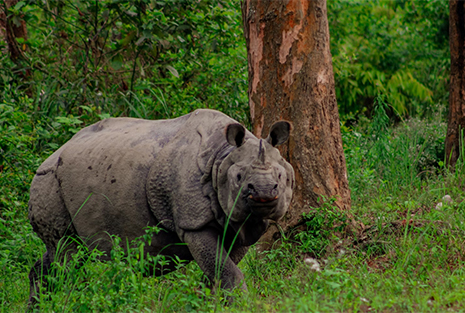
Photo by: Omkar Rane
Situated in the floodplains of the Brahmaputra River, Kaziranga National Park is a UNESCO World Heritage Site renowned for its population of the one-horned rhinoceros. Nearly two-thirds of the world’s one-horned rhinos are found here. The park also shelters tigers, elephants, and water buffalo, and is a key conservation area for these species.
Ranthambore National Park, Rajasthan:
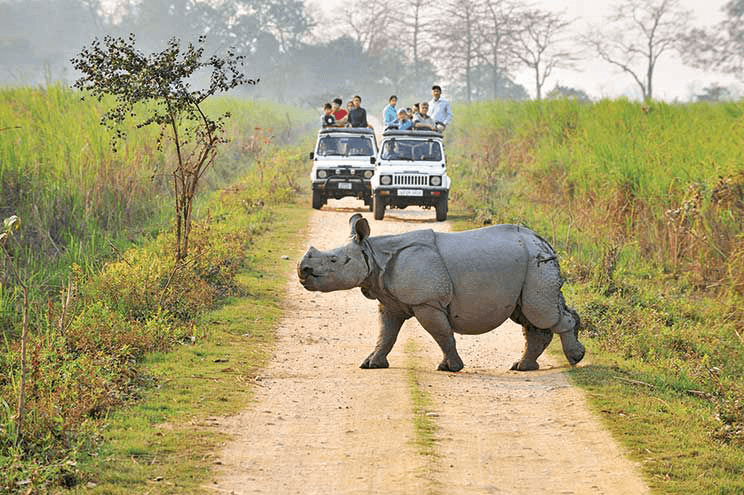
Famous for its Bengal tigers, Ranthambore is one of India’s best locations for tiger sightings. Located in the arid region of Rajasthan, the park also features ruins of ancient forts and temples, creating a unique landscape where history and nature intertwine.
Gir National Park, Gujarat:
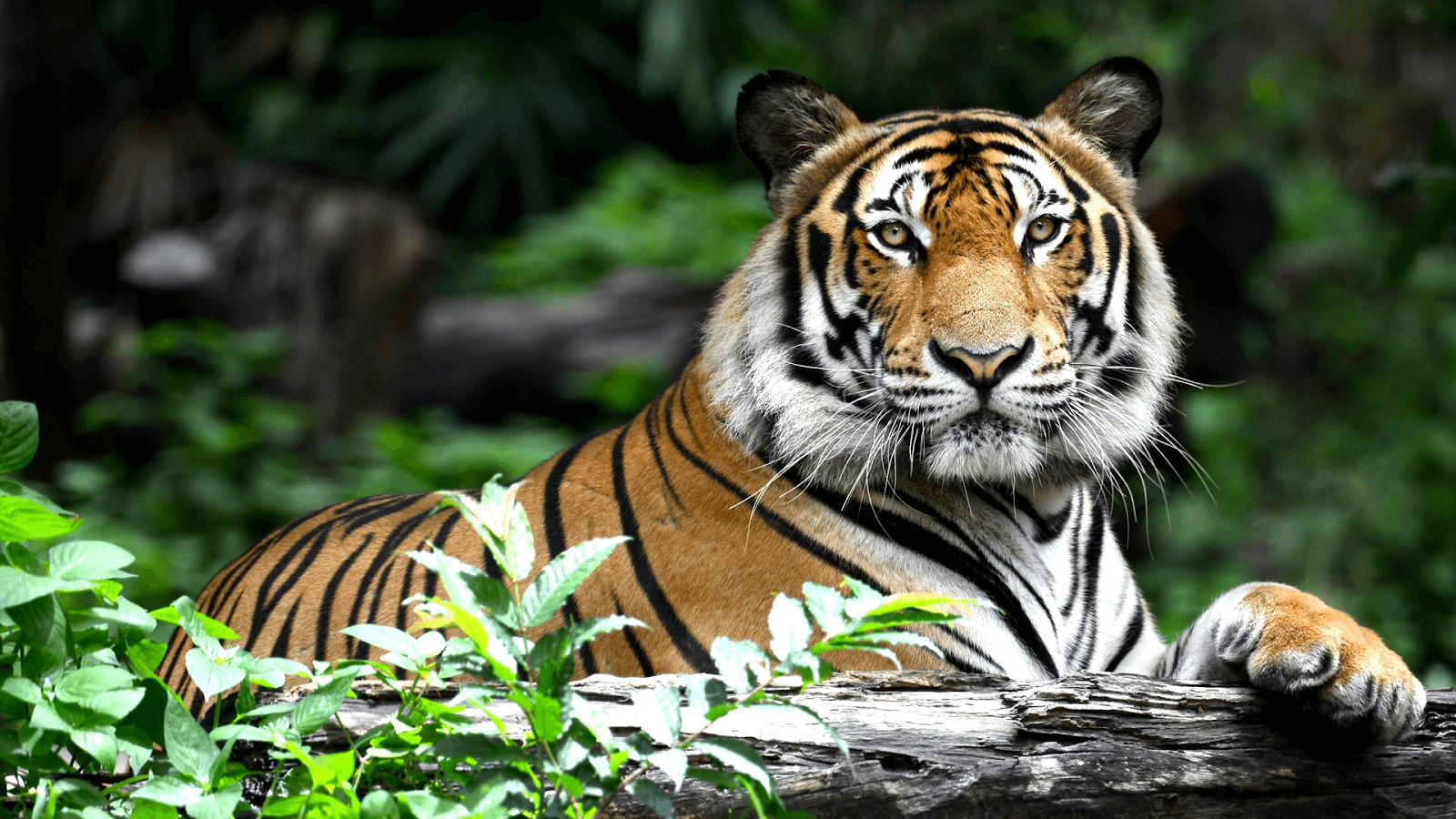
The sole habitat of the Asiatic lion, Gir National Park in Gujarat is pivotal for the survival of this species. The park’s dry deciduous forests and grasslands support a stable population of lions along with leopards, hyenas, and various ungulates.
Sundarbans National Park, West Bengal:

This UNESCO World Heritage Site is part of the largest tidal halophytic mangrove forest in the world. The Sundarbans are known for the elusive Royal Bengal tiger, which has adapted to swimming in the mangrove waterways. The park is also home to saltwater crocodiles and diverse bird species.
Periyar National Park, Kerala:
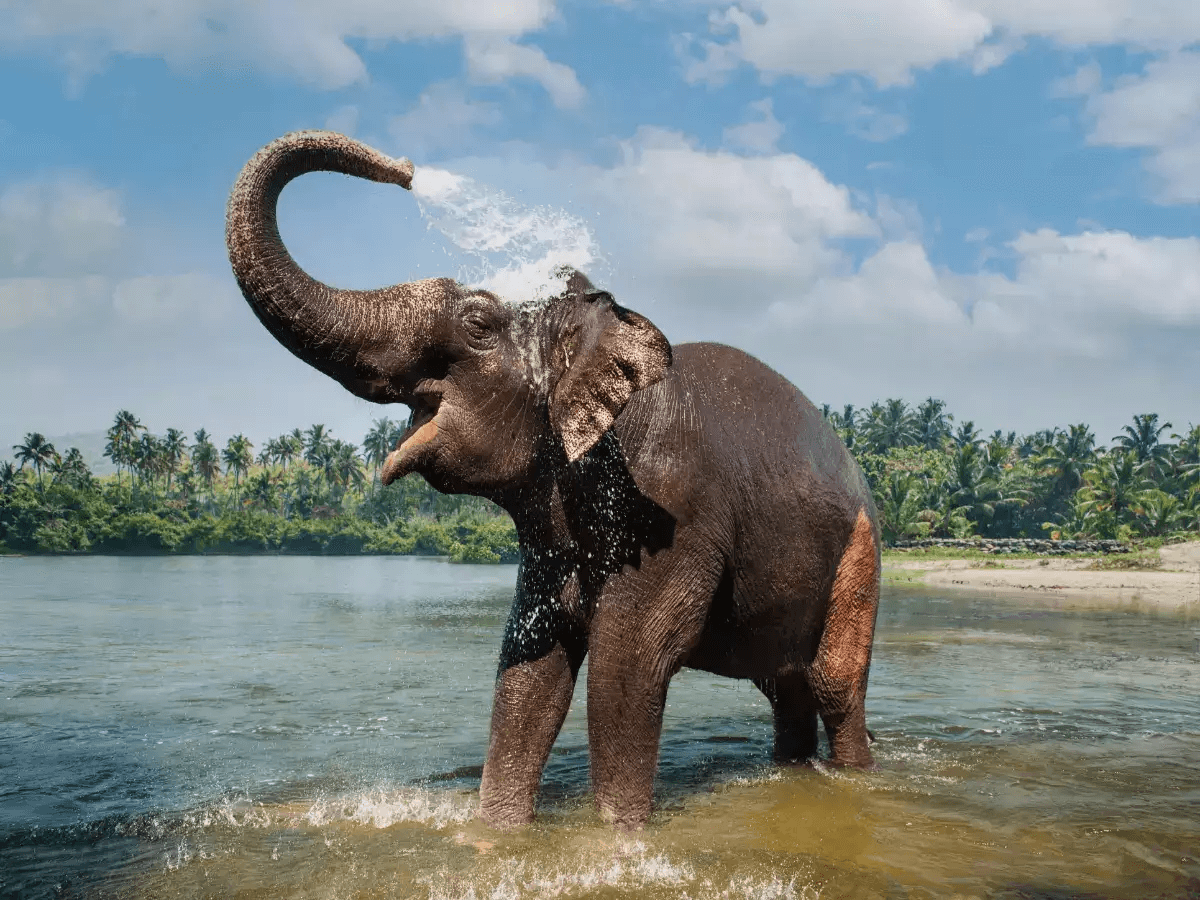
Located in the Western Ghats, Periyar National Park is famous for its large population of elephants. The park’s hilly terrain and dense forests also harbour the Nilgiri tahr, an endangered mountain goat, along with other species like sambar deer and langurs.
When Did National Parks Start in India?
The concept of national parks in India began with the establishment of Jim Corbett National Park in 1936 (initially named Hailey National Park). Post-independence, the Wildlife Protection Act of 1972 marked a significant step in the establishment and management of national parks across the country. The Project Tiger initiative in 1973 further emphasized the protection of the Bengal tiger and led to the creation of additional parks.
Who Manages and Benefits from National Parks?
National parks in India are overseen by government entities, most notably the Ministry of Environment, Forests, and Climate Change. State forest departments, national boards, and local communities all play important roles in park management and conservation efforts.
National parks provide benefits to both wildlife and humans. While animals obtain protected habitats, communities gain from job creation, tourism, and enhanced ecosystems. Tourism cash frequently funds local infrastructure and gives employment opportunities.
How Do National Parks Support Conservation?
National parks form the foundation of conservation initiatives. Ecosystems can thrive in protected areas where human activities are limited or forbidden. This is how they help:
- Habitat Protection: Parks provide safe zones for endangered species, reducing threats from poaching, habitat destruction, and human-wildlife conflict.
- Species Recovery: Several parks run species-specific conservation programs, aiding in the recovery of vulnerable populations.
- Research and Monitoring: National parks facilitate scientific research, helping experts track changes in ecosystems, study species behaviour, and gauge the success of conservation strategies.
- Community Involvement: Parks often engage local communities in conservation efforts, promoting sustainable livelihoods and education.
National parks are vital assets in our efforts to preserve the environment and promote sustainable development. They are the last bastions of biodiversity in a world where ecosystems are increasingly threatened. Whether it's the beautiful tigers of Ranthambore or the elusive Asiatic lions of Gir, India's national parks continue to play an important role in preserving the country's natural heritage while also providing visitors with remarkable experiences. We can ensure that future generations inherit a planet rich in life, diversity, and beauty by working together to conserve these sanctuaries.











































0 Comments