






IBDP Group 2: Language Acquisition – Options and Benefits
Choosing subjects in the IBDP requires careful consideration of interests, strengths, and future academic goals. Learners often choose subjects based on their interests, academic strengths, and future aspirations.
What is IBDP Group 2: Language Acquisition?
Let us Understand IBDP Group 2: Language Acquisition
Group 2: Language Acquisition is one of the IBDP subject groups that almost everyone takes. Many learners initially assume that language acquisition focuses only on vocabulary and grammar.
This assumption is not entirely true.
The IBDP Group 2: Language Acquisition subject also focuses on communication, cultural awareness, and practical language use in different contexts.
The International Baccalaureate Diploma Programme (IBDP) gives learners the flexibility to choose from a wide range of subjects, making it easier to create a combination that matches their interests and future goals.
Because of this flexibility, it’s important to have a clear idea of what each subject group offers, especially when you’re trying to choose subjects that match your university plans.
The International Baccalaureate Diploma Programme (IBDP) is a challenging and globally recognised qualification that aims to provide learners with a balanced education.
Table of Contents
- What is IBDP?
- What is IBDP Group 2: Language Acquisition?
- IBDP Group 2: Language Acquisition: Course Options
- IBDP Group 2: Language Acquisition: Skills Developed
- IBDP Group 2: Language Acquisition: The Benefits
- Higher Level (HL) vs Standard Level (SL): Language Acquisition
- Conclusion
- FAQs
What is IBDP?
The IB Diploma Programme is a globally recognised pre-university programme for students aged 16 to 19. This IBDP provides learners with a well-rounded education.
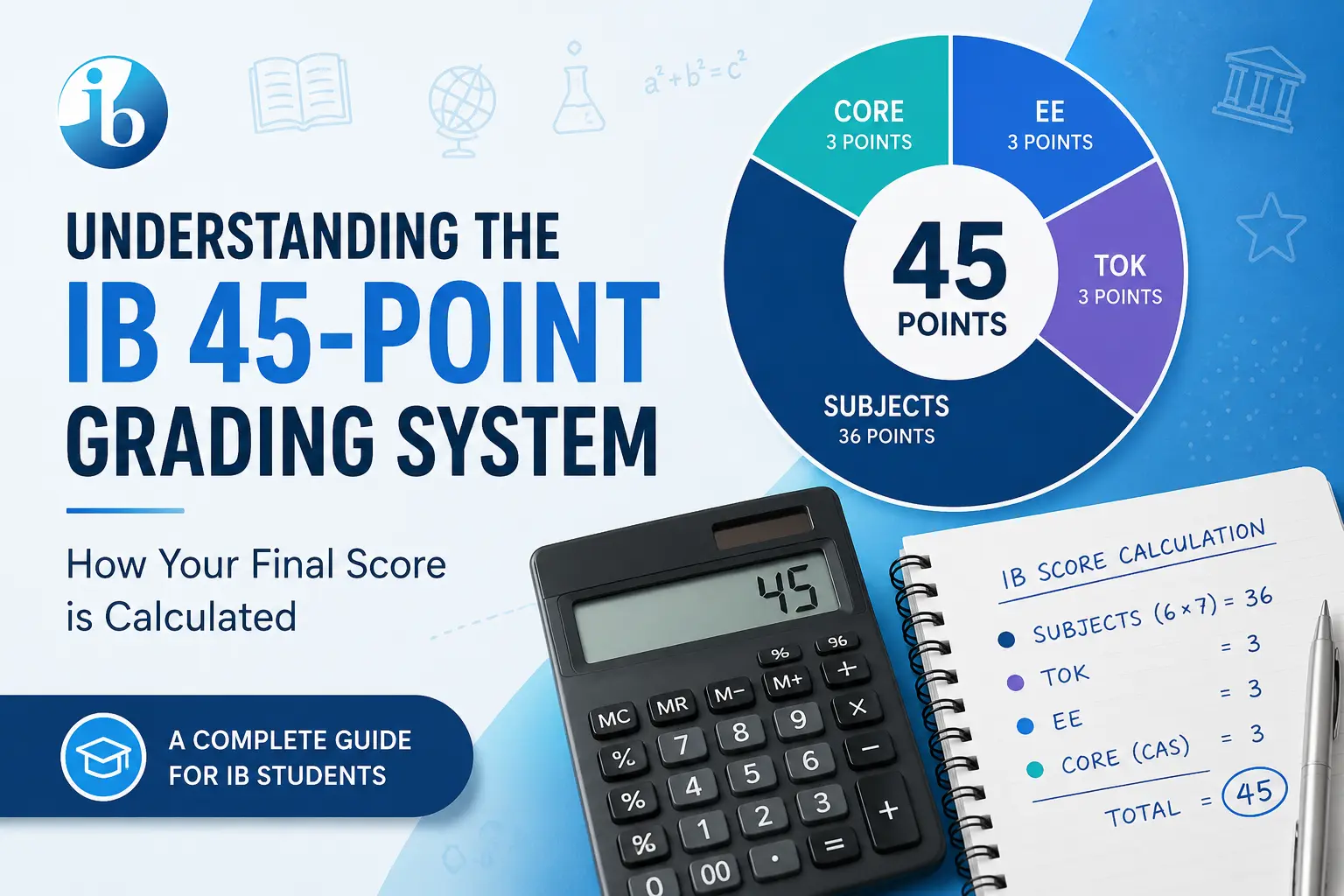
A key feature of the IBDP is its balanced subject structure and interdisciplinary approach. It consists of three key components.
While these components may not directly be part of the subjects learners study, they help determine the overall IBDP’s final score.

The IBDP curriculum is organised into six subject groups:
- Studies in Language and Literature
- Language Acquisition
- Individuals and Societies
- Sciences
- Mathematics
- The Arts
In addition to these subject groups, students complete the three core components:
- Theory of Knowledge (TOK)
- Extended Essay (EE)
- Creativity, Activity, Service (CAS)
Among the IBDP subjects, Group 2: Language Acquisition is one of the most popular choices. It focuses on developing communication skills, cultural understanding, and practical language use in real-world contexts.
What is IBDP Group 2: Language Acquisition?
Language acquisition refers to the process of learning and developing proficiency in an additional language.
Language acquisition in the IBDP Group 2 is about learning how to communicate effectively in a new language.
Language acquisition curriculum emphasises practical communication, cultural awareness, and contextual language use. It also focuses on understanding different cultures and using the language in real-life situations.
Language Acquisition supports multiple dimensions of learning, including:
- Writing Skills: Producing clear and structured written responses
- Listening Skills: Comprehending spoken language in various contexts
- Reading Skills: Understanding and interpreting different types of texts
- Cultural Understanding: Exploring traditions and perspectives associated with the language
IBDP Group 2 language courses develop proficiency in a foreign language and appreciation for different cultures.
| Course Name | Levels |
| Classical Languages | SL and HL |
| Language ab initio | SL only |
| Language B | SL and HL |
IBDP Group 2: Language Acquisition: Course Options
IBDP Group 2: Language Acquisition provides a choice of modern language courses and one classical option.
The group offers three main course options designed for different levels of language proficiency and academic interest.

There are three main course options.
Language ab initio (SL only)
- Language ab initio is designed for beginners with little or no prior experience in the language.
- This course builds foundational abilities in reading, writing, listening, and speaking.
- IB Diploma Programme subjects focus on developing basic communication skills through practical use of the language in everyday contexts and emphasise simple communication, cultural understanding, and essential vocabulary development.
Language B (SL or HL)
- Language B is the most commonly chosen option among learners. It is designed for learners with prior knowledge of the language.
- This course develops reading, writing, listening, and speaking skills in a structured manner.
- Language B builds on prior knowledge and develops more advanced language skills. While it is challenging, it remains manageable with the right approach.
- SL (Standard Level) provides a balanced level of language study.
- HL (Higher Level) involves greater depth, more complex texts, broader vocabulary, and more detailed analysis.
- Language B encourages learners to communicate effectively in academic, cultural, and real-world contexts while improving overall language proficiency.
Classical Languages (SL or HL)
- The Classical Languages option allows learners to study Latin or Classical Greek through the exploration of ancient texts, literature, and cultures.
- The course is designed to enable learners to study classical languages in higher education and seek to develop an awareness and appreciation of the different perspectives of people from classical cultures through the study of texts in the original language.
- This course includes Latin or Classical Greek. It is less about speaking the language and more about understanding texts, history, and context.
- Latin and classical Greek are IBDP subject groups in classical DP languages.
- They share the same syllabus outline and assessment model and can be studied at the standard level (SL) or higher level (HL).
IBDP Group 2: Language Acquisition: Skills Developed
Studying a new language in Group 2 helps learners develop both practical communication skills and important thinking abilities.
Some of the key skills developed in language acquisition courses are the following:

| Reading Skills | Interpreting a variety of texts, including articles, advertisements, and literary passages |
| Writing Skills | Producing structured and coherent texts such as emails, essays, and reports |
| Communication Skills | Ability to express ideas clearly and effectively in speaking and writing across different contexts |
| Critical Thinking | Analysing texts and responding thoughtfully to different viewpoints and contexts |
| Confidence and Fluency | Developing the ability to communicate naturally and confidently in real-world situations |
| Listening and Comprehension | Learning a spoken language in conversations, audio texts, and practical, everyday contexts |
| Intercultural Understanding | Gain awareness of cultural practices, perspectives, and traditions associated with the language |
| Vocabulary and Grammar Proficiency | Build strong foundation in language structure and usage |
These skills contribute to both cognitive development and effective communication. These skills are useful not just for exams but also in day-to-day life where communication really matters.
IBDP Group 2: Language Acquisition: The Benefits
For some learners, Language Acquisition is a mandatory component of the IBDP curriculum. It is part of the IBDP requirement. Others genuinely enjoy it.
Language education extends beyond vocabulary and grammar by promoting intercultural awareness and vocabulary or grammar rules. It also improves focus and trains the brain to think in different ways.
The benefits are practical and noticeable in both academic and real-life contexts:
- Enhances creative thinking
- Improves overall communication
- Can be applied in real-life situations
- Adds value to university applications
- Supports learners who plan to study abroad
These skills can also improve academic performance in other subjects. Such skills can lead to better performance in tasks that require prolonged attention, such as studying for exams, completing work projects, and more.
Group 2 is a valuable part of the IB Diploma Programme, as it emphasises practical communication and intercultural understanding.
Higher Level (HL) vs Standard Level (SL): Language Acquisition
Language Acquisition in this subject group is intended for learners who are developing proficiency in another language (Language B or ab initio).
The course focuses on helping learners communicate effectively in a variety of contexts.
Higher Level (HL) involves more advanced language use than Standard Level (SL).
The main differences between HL and SL are summarised below:
| Feature | Higher Level (HL) | Standard Level (SL) |
| Text Types | Complex & varied | Simpler formats |
| Difficulty Level | Advanced | Moderate |
| Academic Demand | Higher | Standard |
| Teaching Hours | ~240 hours | ~150 hours |
| Vocabulary Range | Extensive | Less extensive |
| Depth of Study | In-depth analysis & fluency | Basic communication skills |
Conclusion
From an academic and practical perspective, IBDP Group 2: Language Acquisition is relevant in everyday contexts. It supports communication in real-world contexts.
IBDP group 2 languages help learners develop communication skills, gain cultural understanding, and gain confidence in using an additional language in academic and everyday settings.
For many learners, these are skills that go far beyond the classroom and remain useful in university and everyday life.
IBDP Group 2: Language Acquisition is more than just another subject requirement. It gives learners a chance to develop real-world understanding, express ideas clearly, and understand different cultures. These courses are designed to gradually enhance learners' confidence and fluency, regardless of their starting point.
With its focus on communication, cultural awareness, and cognitive development, Group 2 remains an essential and valuable component of the Diploma Programme, preparing learners for academic excellence and global engagement.
For detailed information about the IBDP Group 2 curriculum, learners may refer to Knowledgeum Academy.
Why is learning a second language important in today’s globalised world?
Share your thoughts in the comments below.
Frequently Asked Questions (FAQs)
| Feature | Higher Level (HL) | Standard Level (SL) |
|---|---|---|
| Workload | Higher | Moderate |
| Depth of Study | More advanced | Core-level understanding |
| Difficulty Level | More rigorous | Less intensive |
| Instruction Hours | More hours | Fewer hours |































0 Comments