






What is the Full Form of IBDP? What is the IBDP?
What is the Full Form of IBDP?
The full form of IBDP is International Baccalaureate Diploma Programme (IBDP). IBDP is a globally recognised educational programme that has gained popularity for its rigorous curriculum and focus on developing well-rounded students. It is designed for students aged 16-19 and prepares them for success in higher education and beyond. With its comprehensive approach to education, the IBDP is often compared to other educational systems, making it essential for parents and students to understand its structure, benefits, and challenges. In this blog, we will explore what the IBDP is, how it compares to other educational systems, its assessment methods, core components, and the advantages it offers students for their future careers.
IBDP Board Full Form: A Complete Guide
IBDP stands for "International Baccalaureate Diploma Programme" IBDP is a two-year educational curriculum designed for students aged 16 to 19. Offered in 140 countries, it provides a globally recognized qualification for university admission and is accepted by numerous institutions worldwide.
Different Types of IBDP Programmes
The International Baccalaureate (IB) offers a comprehensive international education through its high-quality programmes designed for children aged 3 to 19. These programmes are structured to foster critical thinking, interdisciplinary learning, and both personal and academic growth. The IB's mission is to develop resilient, self-motivated individuals with the skills and knowledge needed to navigate life successfully. The IB provides four distinct educational programmes tailored to different age groups:
Primary Years Programme (PYP):
The PYP is designed for students aged 3 to 12 years and emphasises active, inquiry-based learning. This transdisciplinary programme covers six subject areas, with additional instruction in language, culture, art, music, and physical education through experiential learning.
Middle Years Programme (MYP):
Aimed at students aged 11 to 16 years, the MYP connects academic studies with real-world applications through a rigorous framework. The curriculum includes eight subject areas, with a minimum of 50 hours of instruction per subject group.
Diploma Programme (DP):
The Diploma Programme (IBDP), for students aged 16 to 19 years, is designed to foster deep conceptual understanding and broad knowledge. It promotes the physical, emotional, ethical, and intellectual development of students, preparing them for higher education and beyond.
Career-related Programme (CP):
The CP is also for students aged 16 to 19 years and combines academic learning with career-related education. The curriculum includes at least two DP courses, a career-focused study, and a core consisting of four components to ensure a well-rounded education.
These IB programmes are carefully designed to prepare students for the challenges of the modern world, equipping them with the necessary tools for lifelong success.
Benefits of IBDP For Students
What has always distinguished the IBDP from other education systems, however, is its holistic approach toward education. Against the national curricula, which could primarily be concerned with subject matter and standardised assessment, the IBDP gave great emphasis to research methods, critical thinking, and intercultural awareness. Starting off with several subject groups, that is, languages, sciences, mathematics, arts and people and societies, IBDP students study six subjects. No doubt, this multidisciplinary approach does assure a well-rounded education for the learners.
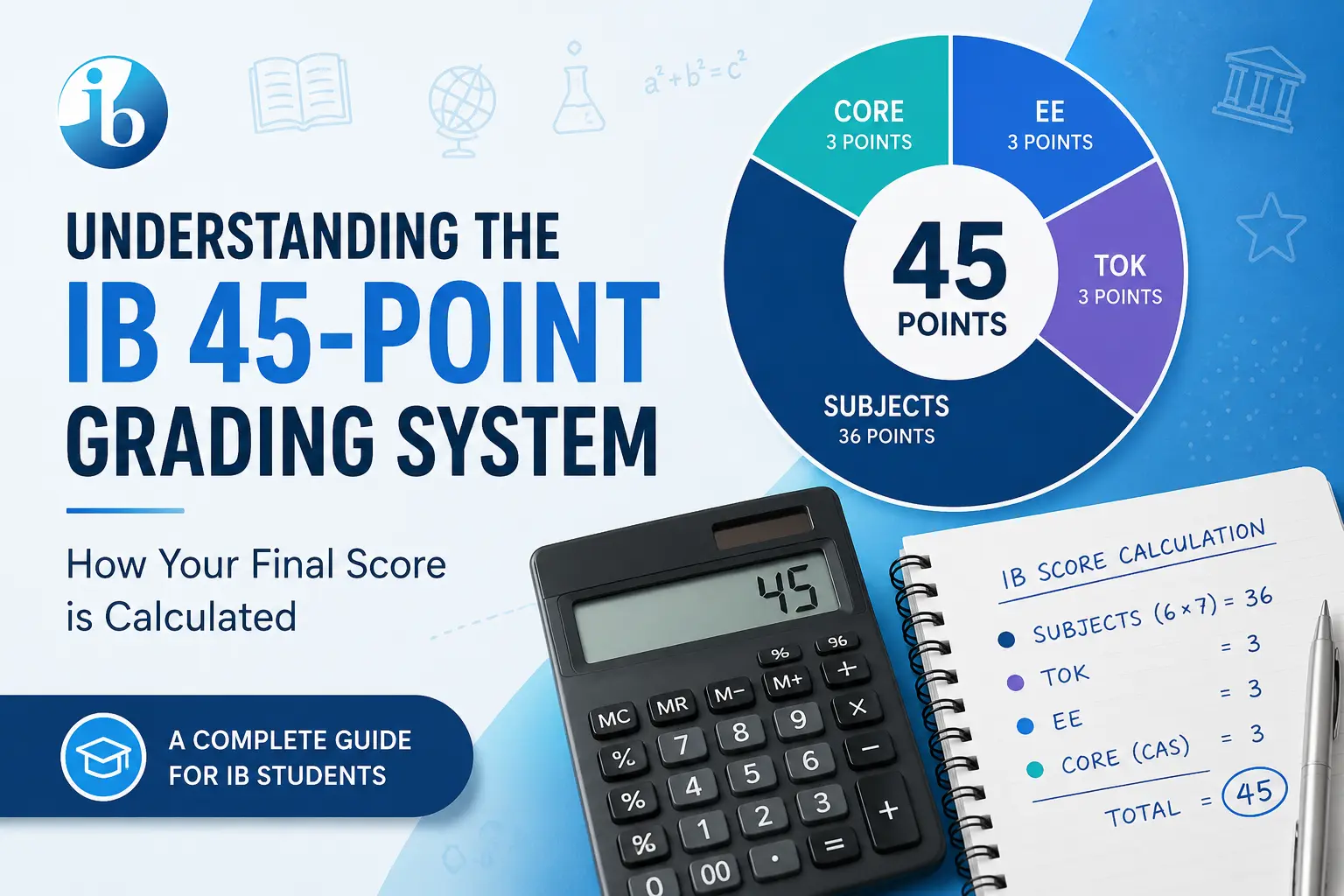
Additionally, the IBDP includes core components like the Theory of Knowledge (TOK), the Extended Essay (EE), and Creativity, Activity, Service (CAS), which further distinguish it from other educational systems.
Assessment and Examinations in IBDP
Assessment in the IBDP is designed to measure both students' academic knowledge and their ability to apply what they have learned. The programme uses a variety of assessment methods, including written examinations, internal assessments, and oral presentations. The final exams, which are held at the end of the two-year programme, are externally assessed and contribute significantly to the final grade. Internal assessments are conducted throughout the programme and include projects, experiments, and essays. The combination of continuous assessment and final examinations ensures that students are evaluated comprehensively and fairly.
Advantages of Enrolling in the International Baccalaureate Diploma Programme (IBDP)
The IBDP offers numerous benefits to students, making it a popular choice for those aiming for success in higher education and beyond. Some of the key advantages include:
































0 Comments